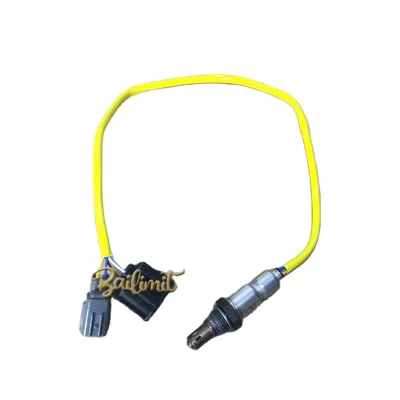
Source Oxygen Sensor for Subaru Forester for Repair and Maintenance
Find 30 verified oxygen sensor for Subaru Forester listings with prices from 3.29 to 35.15 USD. Buyers can compare OE numbers, delivery times, and certifications from suppliers in Guangdong, China; compare the available evidence and request quotations based on your requirements.
Key considerations
Products List
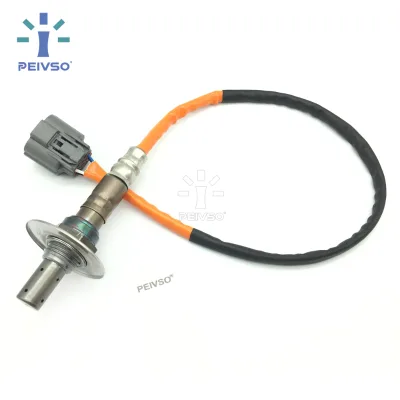
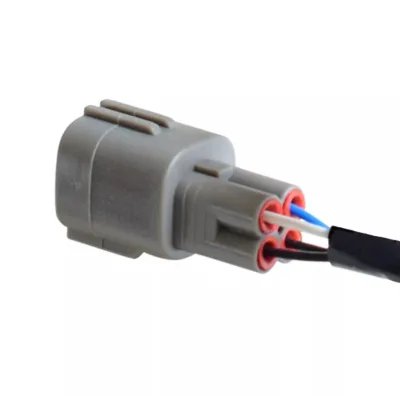


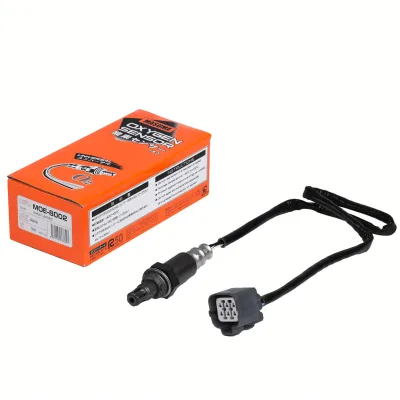
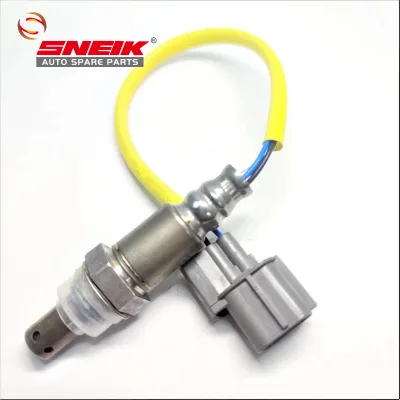
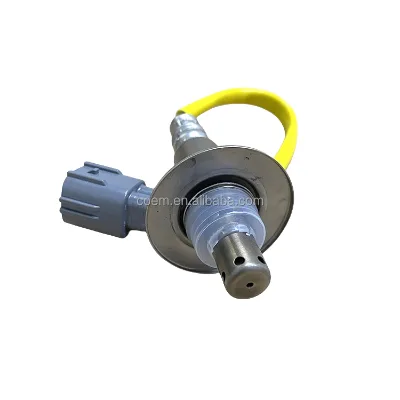

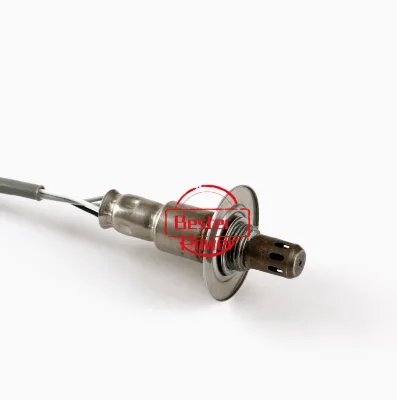
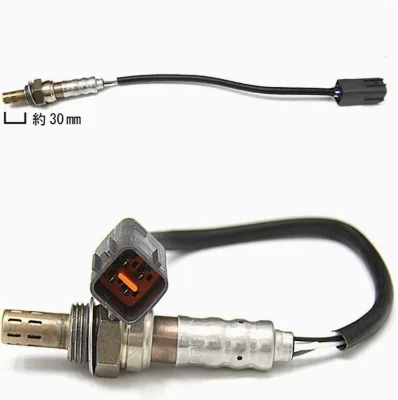
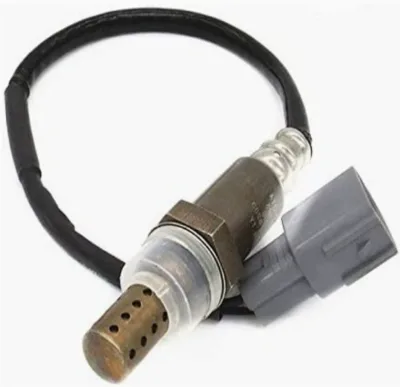
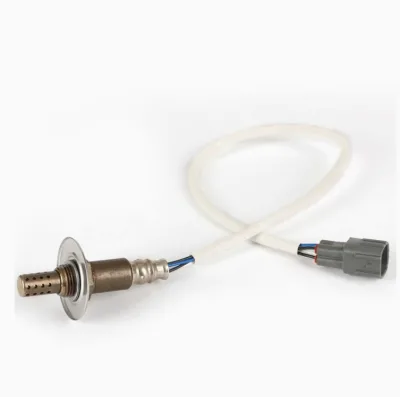


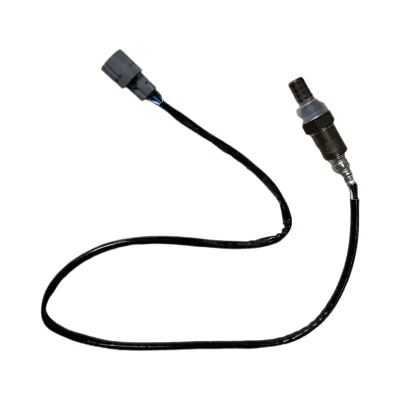
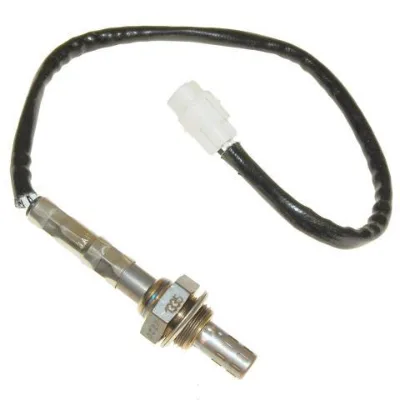


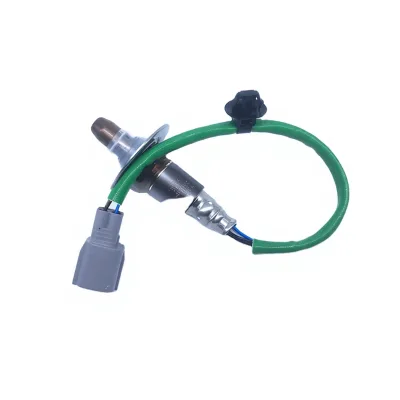


Comprehensive Sourcing Guide
Oxygen Sensor for Subaru Forester Sourcing Guide
Procuring an oxygen sensor for a Subaru Forester requires precise alignment between the vehicle's specific engine management system and the replacement part's electrical characteristics. The observed market listings indicate that these components are designed for specific Subaru models, including the Forester and Impreza, rather than serving as universal replacements for all vehicles. Buyers must verify that the part number matches the original equipment manufacturer specifications, such as 22641-AA480 or 22690-AA840, to ensure compatibility with the engine's air-fuel ratio monitoring requirements.
The supply chain for these automotive components often originates from manufacturing hubs in Guangdong, China, where specialized production processes like ceramics are utilized to create durable sensor elements. While the product condition is consistently listed as new, the variety in packaging and single package dimensions suggests that logistics planning must account for different physical profiles. Understanding these origin and physical attributes helps buyers anticipate shipping costs and storage requirements when integrating these parts into their inventory or repair workflows.
Product Scope and Observed Listing Signals
The current market offers a diverse range of oxygen sensors, with observed prices fluctuating between 3.29 and 35.15 USD depending on the specific model and supplier terms. This wide price variance reflects differences in sensor technology, such as the distinction between standard oxygen sensors and more advanced air/fuel ratio sensors, as well as variations in brand reputation and warranty coverage. Buyers should carefully evaluate whether the lower price points correspond to generic aftermarket parts or if they represent competitive pricing from established manufacturers offering high-quality components.
Minimum order quantities (MOQ) in the observed listings range from a single piece to thirty units, providing flexibility for both individual repair shops and larger distributors. Some suppliers offer customization services and sample availability, which allows buyers to validate product quality before committing to larger orders. The presence of multiple shipping terms, including DHL, FedEx, and sea freight, indicates that procurement strategies must balance urgency against cost, as delivery times can vary significantly from three to fifteen days based on the selected logistics method.
Technical Specifications to Verify
Technical verification begins with confirming the exact OE number and model number, as the supplied data highlights specific identifiers like 22641-AA480 and 22690-AA840 that correspond to distinct Subaru engine configurations. The sensor type is critical, with listings specifying both standard oxygen sensors and infrared gas sensors, each serving different diagnostic functions within the vehicle's emission control system. Ensuring the product matches the required conductivity type and output signal, such as digital type, is essential for proper integration with the vehicle's electronic control unit.
Physical and material specifications also play a vital role in the selection process, with observed listings noting single package sizes ranging from 17x9x8 cm to 7x8x19 cm and gross weights between 0.200 kg and 0.300 kg. The production process often involves ceramics, which provides the necessary thermal stability and chemical resistance for harsh under-hood environments. Buyers must cross-reference these physical dimensions and material properties with their existing inventory or vehicle requirements to avoid installation issues caused by mismatched housing or connector types.
Compliance and Safety Documentation
While specific certification details in the listings mention ISO standards, buyers must independently verify that the supplier maintains valid quality management certifications relevant to automotive components. The presence of an IP rating and metal material construction suggests a focus on environmental protection, yet the exact IP classification and compliance with regional safety standards require direct confirmation from the manufacturer. Relying solely on the generic "ISO" label without requesting specific certificate numbers or audit reports can expose procurement operations to risks regarding product liability and regulatory non-compliance.
Safety documentation should also include detailed test results confirming that the sensors have undergone rigorous quality checks, such as the "100% Tested" claim observed in some listings. Buyers should request evidence of these testing protocols to ensure that every unit meets the high-quality standards necessary for reliable engine performance and emissions compliance. Without documented proof of testing and adherence to safety norms, the risk of premature sensor failure increases, potentially leading to costly engine diagnostics and vehicle downtime for the end customer.
Cost Drivers and Commercial Terms
The total cost of ownership for oxygen sensors is influenced by several commercial factors beyond the base unit price, including payment terms and shipping logistics. Accepted payment methods such as T/T, Western Union, and Trade Assurance offer varying levels of financial security, with Trade Assurance providing additional protection for international transactions. Buyers should negotiate terms that align with their cash flow needs while ensuring that the payment structure does not compromise the ability to resolve disputes regarding product quality or delivery delays.
Shipping costs and lead times are significant cost drivers, with delivery windows ranging from 3 to 15 days depending on the carrier and destination. The availability of multiple shipping options, including air freight via DHL and FedEx versus sea freight, allows buyers to optimize costs based on the urgency of the order. Understanding the relationship between the single gross weight and package dimensions is crucial for calculating accurate freight charges, as these factors directly impact the final landed cost of the inventory.
Supplier Qualification and Quality Control
Supplier qualification should focus on verifying production capacity and service reliability, as observed listings indicate a monthly capacity of up to 200,000 units and 24-hour customer service availability. A supplier with high production capacity is better positioned to handle large orders and maintain consistent supply during peak demand periods, reducing the risk of stockouts. However, capacity alone is insufficient; buyers must also assess the supplier's track record for delivering on time and their responsiveness to technical inquiries or quality concerns.
Quality control processes are paramount, with suppliers claiming attributes like "High-Quality" and "Professional Service" that must be substantiated through third-party audits or on-site inspections. The availability of customization and the use of neutral packaging suggest a flexible manufacturing approach, but buyers must ensure that these customizations do not compromise the integrity of the sensor's performance. Establishing a clear quality agreement that defines acceptable defect rates and return policies is essential for maintaining the reliability of the supply chain.
Long-Term Procurement Checks
Sustaining a successful procurement relationship requires regular performance reviews that track delivery times, product consistency, and after-sales support effectiveness. The observed warranty period of 12 months provides a baseline for evaluating supplier reliability, but buyers should monitor whether this warranty is honored consistently across different batches and regions. Continuous monitoring of these metrics helps identify trends that may indicate declining quality or logistical bottlenecks, allowing for proactive adjustments to the sourcing strategy.
Long-term checks should also include periodic re-verification of technical specifications and compliance documentation to ensure that the products continue to meet evolving automotive standards. As vehicle models evolve, the compatibility of oxygen sensors may change, requiring buyers to stay informed about updates to OE numbers and sensor technologies. Maintaining open communication channels with suppliers and conducting regular quality audits ensures that the procurement process remains robust and capable of adapting to future market demands.
FAQs
What OE numbers does this oxygen sensor replace?
This oxygen sensor replaces OE numbers 22641-AA480, 22690-AA840, 22690-AA850, and 22690-AA900. It is designed specifically for Subaru Forester and Impreza models. The part ensures direct fitment without modification. Buyers should verify their vehicle compatibility before purchase to ensure proper installation and optimal engine performance.
Can I get a sample before placing a bulk order?
Yes, samples are available for quality verification before bulk purchasing. The minimum order quantity is just one piece, allowing buyers to test the product. This approach helps assess the sensor's performance and build quality. It is a practical step for B2B buyers to mitigate risk and ensure the product meets their specific operational standards.
What is the typical delivery time for this sensor?
The typical delivery time ranges from three to fifteen days. This timeframe allows for efficient processing and shipping via carriers like DHL, FedEx, or UPS. Buyers should account for potential variations based on the shipping method selected. This lead time supports timely inventory replenishment for repair shops and distributors requiring quick turnaround.
Does the supplier offer customization for this oxygen sensor?
Customization is available for this oxygen sensor to meet specific buyer requirements. The supplier supports tailored packaging and branding options. This flexibility allows businesses to align the product with their market needs. Buyers can request specific configurations to enhance their brand identity or meet unique technical specifications during the sourcing process.
What warranty is provided with this oxygen sensor?
A twelve-month warranty is provided with this oxygen sensor. This coverage ensures protection against manufacturing defects and performance issues. Buyers can rely on this guarantee for peace of mind during the initial usage period. The warranty supports long-term reliability and reduces the risk associated with aftermarket automotive parts procurement.
What certifications does this oxygen sensor hold?
This oxygen sensor holds ISO certification, indicating adherence to quality management standards. The product undergoes one hundred percent testing to ensure reliability. These certifications provide assurance of consistent quality and manufacturing precision. Buyers can trust the sensor's performance and durability based on these verified quality control measures and industry-standard compliance.